October 5, 2026
How Boulder, Colorado Became a Great Spot for Cheese Pizza
By @manuelurwf487
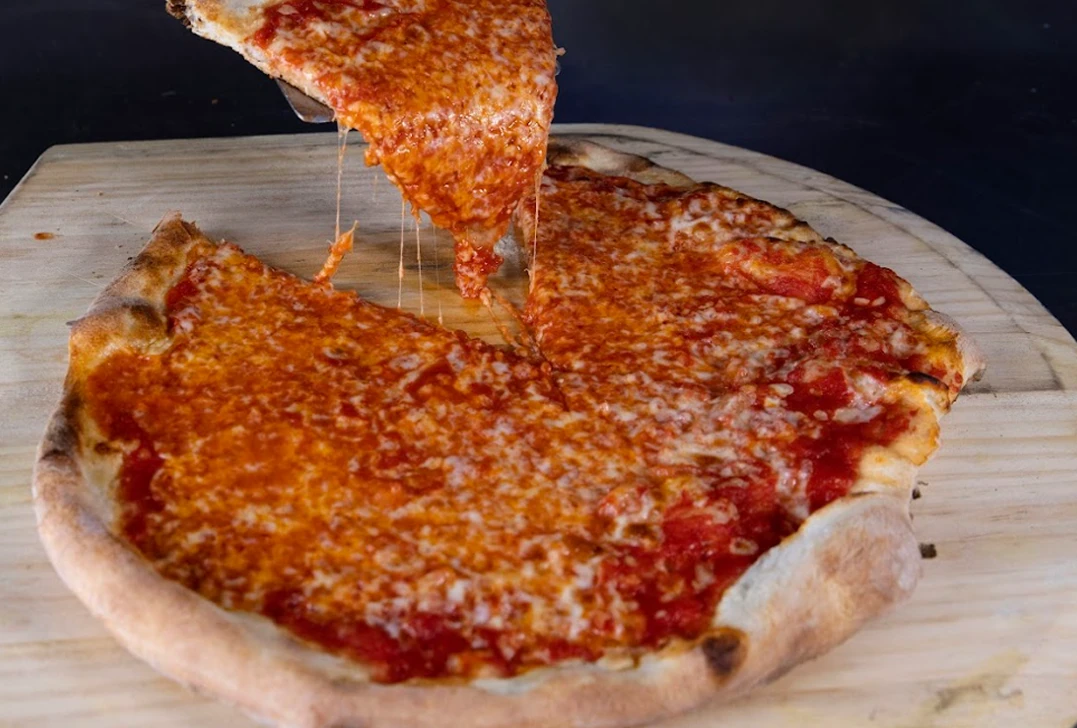

Boulder does not fit the old stereotype of a pizza town. It is better known for trailheads, biotech, college energy, natural foods, and a certain polished version of mountain life than for molten mozzarella and blistered crust. Yet over the past couple of decades, something quietly impressive has happened here. If you care about the purest benchmark slice, the kind that strips pizza down to dough, sauce, cheese, and heat, Boulder has become an unusually satisfying place to eat.
That matters because cheese pizza is where shortcuts show. A kitchen can hide weak dough under sausage, distract from bland sauce with hot honey, or lean on novelty toppings when the bake itself lacks character. Cheese pizza offers no place to hide. When it is good, you taste judgment more than abundance. You notice fermentation, oven management, moisture control, salt balance, and the confidence to stop before excess sets in. For a city with Boulder’s habits and standards, that test turned out to be a surprisingly good fit.
The rise of Cheese Pizza Boulder, Colorado did not happen because the city chased trends blindly. It happened because several local traits lined up at once: a population that Cheese Pizza Boulder, Colorado cares about ingredients, a dining culture that rewards craft, a steady stream of East Coast transplants with strong opinions, a university that keeps demand lively, and enough economic pressure to push pizza makers toward quality instead of sheer quantity. Add in a Colorado tendency toward independent food businesses and you get a local scene where cheese pizza can thrive on merit.
A town with exacting tastes
Boulder diners are often demanding in a way that can frustrate cooks and improve restaurants at the same time. People here pay attention. They ask where flour comes from, whether tomatoes are packed at peak season, whether dairy is local, whether dough sat long enough to develop flavor. In many cities those questions stay on the edges of the market, limited to a small group of food obsessives. In Boulder, they have been mainstream for years.
That culture created a useful pressure on pizzerias. If you want repeat business here, especially from locals who eat out often but selectively, you need to make the fundamentals count. A greasy, careless pie can still have a place, particularly after a late night, but it rarely becomes beloved. The shops that earn loyalty tend to be the ones that take dough seriously, buy better cheese, and understand that sauce should taste like tomatoes rather than sugar.
There is also an economic reality behind that expectation. Boulder is not a cheap market, for restaurant owners or for customers. Rent is high, labor is expensive, and diners who spend real money on a pizza expect it to justify itself. That does not always mean luxury. In fact, many of the best cheese pies in town are appealing precisely because they feel straightforward. Still, straightforward in Boulder usually means intentional rather than casual. Even a neighborhood pie often arrives with a crust that shows fermentation and a cheese blend that has been tested, adjusted, and tested again.
Cheese pizza suits Boulder’s food values
Boulder has long favored foods that combine comfort with discipline. Bread, coffee, beer, ice cream, and breakfast all do well here when they look simple on the surface but reveal a lot of craft underneath. Cheese pizza belongs in that category. It is a comfort food, but a technical one.
That combination matches local sensibilities. People who spend the morning climbing, cycling, or skiing often want food that feels earned and satisfying, not fussy. A good cheese pizza does that. It is rich, but not necessarily heavy. It can be restorative after a long day outside or easy to share at a brewery patio with friends. It also crosses social categories with ease. College students, families, software founders, visiting parents, and longtime residents can all agree on a strong plain pie.
Boulder’s affection for ingredient purity helps too. In a city that appreciates produce at farmers markets and talks comfortably about fermentation, it is not hard to sell the idea that a great pizza starts with flour, water, salt, tomatoes, cheese, and time. Cheese pizza, done right, feels less like a compromise and more like a standard. That distinction matters. In weaker pizza cities, ordering plain can feel dutiful, as if you are sacrificing fun for principle. In Boulder, a well-made cheese pie often reads as the most confident thing on the menu.
The transplant effect, and why it helped
Anyone who has spent time in Boulder’s dining rooms has met them: New Yorkers who miss corner slices, New Jersey natives who care deeply about the fold, Connecticut transplants who talk about char, Midwesterners loyal to tavern styles, and East Coast college parents who can spot under-proofed dough from across the table. This can make for exhausting conversation, but it also raised the standard.
Transplants brought expectations with them, and those expectations were specific. They did not just want pizza. They wanted the right balance of chew and crisp, enough acidity in the sauce, restrained oregano, proper browning on the cheese, and slices that hold structure without turning cracker-dry. They wanted a pie that did not confuse abundance with quality. Restaurant owners who listened found an audience ready to reward accuracy.
At the same time, Boulder was never going to become a pure replica of New York or New Haven. The altitude changes dough behavior. Local customers often prefer a slightly lighter feel than the denser, oilier pies some East Coast shops produce. Ingredients are sourced differently. Ovens vary. The result has been something more interesting than imitation. The best local pizzerias borrowed standards from established pizza regions, then adjusted for Boulder’s conditions and tastes. That adaptation is one reason the city’s cheese pizza scene feels mature rather than derivative.
College demand created volume, but not laziness
The University of Colorado Boulder matters here more than people sometimes admit. College towns can push pizza in mediocre directions because the basic economics favor speed, scale, and late hours over finesse. Yet they also create reliable demand, which gives operators the volume needed to refine systems. In Boulder, that demand did not erase quality. It helped support it.
A pizza shop that turns a lot of dough can learn faster. Dough formulas become more precise. Oven recovery times get tighter. Staff become better at reading the point where cheese has melted fully but not broken into oil. Small decisions improve when they happen hundreds of times a night. In a town with enough student traffic to keep ovens hot and enough discerning locals to criticize weak execution, mediocrity has a hard time settling in for long.
You can see this in the way several Boulder-area shops have evolved. Places that may have started with a broad menu, aimed at surviving the student rush, often sharpen over time. They trim unnecessary options, upgrade flour, simplify topping combinations, and realize that the plain pie tells them whether the kitchen is actually good. When a shop gets that message, cheese pizza usually improves first.
Beer culture helped pizza get better
Boulder’s brewing culture also deserves some credit. Good beer cities often become better pizza cities because both rely on fermentation, process control, and a customer base willing to compare subtle differences. People who can discuss hop bitterness and lager conditioning without embarrassment are often surprisingly ready to notice crust texture and sauce balance.
Breweries, taprooms, and pizza pair naturally, but the relationship in Boulder goes deeper than convenience. The social life around craft beer helped create demand for food that was casual enough for a weeknight and thoughtful enough to stand next to carefully made drinks. Cheese pizza fits that role almost perfectly. A clean, balanced pie works with pale ales, pilsners, amber lagers, and even darker beers. It is easier to pair than most topping-heavy pizzas, which can overwhelm or clash.
There is also a practical side. Shared food performs well in brewery settings, and cheese pizza is the least controversial choice for a group. Over time, that kind of recurring social demand gives pizza makers a strong reason to master the basics. When many customers are ordering a plain pie for the table, the plain pie has to deliver.
Boulder learned to value dough
If there is one area where Boulder’s pizza scene has grown the most, it is dough. That shift mirrors broader changes in American baking. Twenty years ago, many restaurants treated dough as a neutral vehicle. Today, more operators understand that dough is the central flavor system of the pizza, not just a base.
Boulder was well positioned to absorb that lesson. The city already had good bread culture, strong café standards, and a consumer base comfortable with words like hydration, fermentation, and natural leavening. Even diners who would never use those terms often recognize the results when they taste them. They know when a crust has depth instead of blandness, when the rim is airy rather than puffy for show, when the bottom has structure but still yields.
Altitude complicates everything, of course. Dough in Boulder can overproof faster, dry out more readily, and behave differently across seasons. Bakers who move here from sea-level pizza regions often need a real adjustment period. Water percentages, proofing times, salt levels, and bake temperatures all deserve a second look. This is not glamorous work. It is repetitive, occasionally maddening, and essential. Shops that put in the time have gained an advantage, because once they crack the code their pizzas feel tuned to place rather than imported by formula.
That matters especially for cheese pizza. With no pepperoni cups or vegetables to distract you, the crust has to contribute actual pleasure. In Boulder’s better pizzerias, it does. You get chew without gumminess, char without bitterness, and enough flavor in the dough to make the final bites worth eating cold the next day.
Better ingredients changed the ceiling
A city does not become a strong cheese pizza market on technique alone. Ingredients set the upper limit. Boulder has long had access to better-than-average produce, dairy, and specialty food distribution for a city of its size, partly because of wealth, partly because of regional food culture, and partly because local diners support businesses that spend more on sourcing.
Mozzarella is a good example. Cheap low-moisture cheese can still produce a nostalgic, even excellent pizza in the right hands, but there is a fine line between pleasing salt-and-fat simplicity and the rubbery blanket many mediocre pies end up wearing. Boulder operators have had reason to push past that baseline. Some favor carefully chosen whole-milk low-moisture mozzarella for its melt and browning. Others blend cheeses to shape flavor, stretch, and blistering. The point is not that one approach is superior in all cases. It is that local shops think about it.
Sauce has improved too. Strong pizza sauce is rarely complicated, but it does require restraint. Boulder’s best cheese pizzas tend to avoid overspicing and oversweetening. They let tomatoes carry the load, supported by salt, maybe a measured amount of olive oil, and herbs used with a light hand. That sounds obvious, but it is harder to practice than to describe. In many kitchens, especially under pressure, the impulse is to make sauce louder. Boulder’s more accomplished pizza makers have generally learned the opposite lesson.
The city’s growth created room for specialization
As Boulder grew, so did the range of people it needed to feed. That diversity gave pizza makers room to choose an identity instead of trying to be everything. A shop could focus on New York style slices, neo-Neapolitan pies, tavern-cut thin crust, or naturally leavened seasonal pizzas, and still find an audience. Once specialization becomes viable, quality usually rises.
Cheese pizza benefits directly from that shift. In a generalized menu, the plain pie is often just a default option, there because it has to be. In a specialized pizzeria, cheese pizza becomes the thesis statement. It shows what the oven is meant to do, what the dough is meant to taste like, and how the kitchen wants balance to land. That is when a city starts producing memorable cheese pizzas rather than merely acceptable ones.
Boulder’s market is now mature enough that diners can notice style differences without needing a tutorial. One shop’s cheese pie may emphasize foldable slices, a glossy layer of mozzarella, and a gentle crunch at the edge. Another may chase leopard spotting, soft interior crumb, and a lighter hand with cheese. Another may go for square pan pizzas where cheese caramelizes at the corners. The range creates healthy competition. More important, it trains customers to ask not whether cheese pizza is “plain,” but what kind of plain they are in the mood for.
It helps that Boulder respects moderation
One reason cheese pizza has done well here is that Boulder, for all its indulgences, tends to respect moderation and balance. A city with strong fitness culture does not reject comfort food, but it often responds best when comfort feels deliberate rather than excessive. That pushes pizza makers toward pies that satisfy without becoming leaden.
The distinction shows up in portioning. Strong cheese pizza is not necessarily sparse, but it is proportionate. Too much cheese can suffocate crust and blur flavor into dairy fat. Too much sauce can make the center slump. Too much oil can turn a hot slice into a nap. The best Boulder pies usually avoid those traps. They feel composed. You can eat two or three slices and still understand why the fourth looks tempting.
This is also why Boulder has been a fertile place for higher-end pizza without losing the spirit of pizza itself. In some cities, upscale pizza drifts into self-consciousness. It becomes a platform for boutique toppings and starts forgetting the emotional simplicity that makes pizza beloved. Boulder has examples of that, certainly, but its better shops usually know when to stop. A cheese pie here succeeds when it feels generous and grounded at the same time.
What makes a cheese pizza stand out in Boulder
After enough meals around town, certain patterns emerge. The best examples of Cheese Pizza Boulder, Colorado tend to share a few traits, even across different styles.
- The crust has flavor on its own, not just texture.
- The sauce tastes bright and restrained, with tomato first.
- The cheese coverage is even, but not overloaded.
- The bake shows control, with color in the right places.
- The slice stays balanced from first bite to crust end.
Those qualities sound simple, but any working pizzaiolo will tell you they are the result of a dozen decisions made correctly and repeatedly. Flour selection, cold fermentation length, dough ball temperature during service, oven deck recovery, sauce application, cheese distribution, turning technique, and final rest time all matter. A strong cheese pizza often reflects a kitchen that has solved small operational problems before they become flavor problems.
The trade-offs are real, and Boulder still has them
For all the progress, Boulder is not a perfect pizza city. It still faces a few structural challenges. High costs can push prices beyond what some diners think pizza should cost. That tension is especially sharp with cheese pizza, because customers compare it mentally to a food that, in many places, is cheap by design. When a plain pie climbs into a premium price range, it needs to earn that number with unmistakable quality.
There is also the issue of consistency. Restaurants in resort-adjacent, high-turnover labor Cheese Pizza Boulder, Colorado markets can struggle to maintain the same standards every day. Pizza looks simple from the dining room, but it is unforgiving on the line. A dough batch can change with the weather. A new cook can over-sauce every third pie. A busy Saturday can expose weaknesses a calm Tuesday hides. Boulder has excellent pizza, but some shops still swing between very good and merely good depending on staffing and volume.
Then there is the broader identity question. Because Boulder supports several pizza styles at once, it does not have one defining local version of cheese pizza. Some diners see that as a weakness. I think it has become a strength. Variety encourages better work, and the city’s best pizzerias now compete more on execution than on mythology. They do not need to claim a singular legacy style to make a memorable pie.
Why this reputation is likely to stick
Food scenes can be fragile. A few closures, a rent spike, or a shift in consumer habits can flatten years of progress. Yet Boulder’s rise as a good place for cheese pizza feels durable because it rests on more than novelty. It is built into the local culture of eating.
People here are used to paying attention to food quality. They support independent operators when the food merits it. They care about ingredients but also appreciate practicality. They have enough outside influence, through transplants, students, and visitors, to keep standards from getting provincial. And they live in a city where casual meals matter. Not every dinner needs to be a tasting menu or a special occasion reservation. Sometimes what people want after a long hike, a workday, or a soccer game is a genuinely good cheese pizza and a table where no one needs to explain themselves.
That ordinary demand is what sustains a pizza scene. Not hype, not rankings, not social media heat. Repetition. Families ordering on Wednesdays. Friends meeting for slices after a beer. Students grabbing a pie during finals. Parents visiting campus and realizing, a little to their surprise, that the plain pizza is the smartest order in the room.
Boulder became a great spot for cheese pizza because it learned to respect the category at its most stripped down. It stopped treating the plain pie as an afterthought and started seeing it as a measure of craft. Once enough cooks, owners, and diners agreed on that, the city’s pizza got better in a lasting way.
For anyone still skeptical, the test is easy. Walk into a busy Boulder pizzeria and order the cheese. Not the signature pie, not the seasonal special, not the one covered in cured meats and finishing oils. Just the cheese. If the place is serious, that is where you will taste it first.
Brooklyn Pizza
Address: 1647 Arapahoe Ave, Boulder, CO 80302
Phone number: +17203282324
FAQ About Cheese Pizza Boulder, Colorado
What is usually on a cheese pizza?
A standard cheese pizza consists of a yeast dough crust, a seasoned tomato-based sauce, and melted mozzarella cheese.
What is a cheese pizza called?
A basic cheese pizza is simply called a cheese pizza, a plain pizza, or a plain pie.
What is the best recipe for cheese pizza?
The best cheese pizza recipe uses high-heat baking, a simple raw tomato sauce, and a mix of low-moisture and fresh mozzarella cheese on a homemade yeast dough.
❧